Saturday, March 31, 2018

Netflix, but for smartphones: Is it the future?

Despite the growth of the used smartphone market, a huge amount of new smartphones are sold each year. Marketing and carrier plans work their magic to support sales and detrimental factors like planned obsolescence, failing support for older devices, and a limited ability to repair phones keep anything too old from sticking around in the market for too long

On top of that, phones often have locked down bootloaders and company-owned software or service. Beyond a 12-24 month warranty period, you're often on your own.

10 or 15 years ago convincing hundreds of millions, if not billions of consumers it's OK to toss what was an expensive 24-month old device would have been nearly impossible. Why is it so easy now? PCs and laptops faced similar pressures with the driving force of Moore's Law, but at least that was a period of rapid advancement — few-year-old smartphones that should still be capable get stuck in bootloops, don't receive updates, or have terrible battery performance.

Smartphones that should still be capable get stuck in bootloops, don't receive updates, or have terrible battery performance

Would you consider a "subscription as a service" model for a smartphone — a Spotify/Netflix/Device-on-demand/Smartphones-as-a-Service kind of deal?

Do you really own your smartphone?

Of course you do! Right?  It seems like a ridiculous question, but has an edge to it.

Take the John Deere tractor situation. Farmers buy hugely expensive tractors expected to last a generation. But John Deere uses locked-down software to maintain control of every aspect of a tractor's use after the sale, greatly reducing the ability to service and maintain a tractor without expensive John Deere technicians. Farmers are fighting back after John Deere lawyers infamously stated that farmers purchase "an implied license for the life of the vehicle to operate the vehicle."

Android auto repair DEQ OBDII engine light

As Wired said at the time, "It's John Deere's tractor, folks. You're just driving it."

In the electronics world, DJI threatened to turn one of their drones into a non-flyer after being required to issue firmware updates. It was their solution to a safety concern after some users reported the device dropping from the sky. To protect everyone's heads, the device was remotely deactivated if firmware hadn't been updated.

Logitech simply ended support for their Harmony Link product. First released in 2011, the device allowed smartphones and tablets to act as remotes. At least, it did until March 16th, 2018, when Logitech apparently refused to buy a new license for the technology in the hub, and simply gave notice it would shut down the devices completely. Facing a wave of online backlash, Logitech turned around and played nice, offering a free Harmony Hub as a replacement for Link owners.

Samsung infamously had to disable its Galaxy Note 7 devices to prevent battery safety issues and offered an exchange or full refund.

Galaxy Note 7 teardown iFixit

To be clear, some of these were correct actions and handled relatively well, but it shows how devices with a cloud connection can and will be treated differently.

The ownership issue gets even more complex with phones sold through carriers as part of a financed or subsidized contract. The phone is almost always actually retained by the carrier throughout the 12 or 24-month contract. You only really own it once it's paid off.

It highlights the growing risk of cloud devices, where a perfectly functioning device could be switched off, rendering a purchase useless. There's an increasing reliance on cloud services by manufacturers, who use connected devices for additional features, issuing firmware updates for problems, and bringing out late improvements, with a side order of data collection as well. When devices become simply access points to the cloud that holds all the value, perhaps the only option on the table is simply a "device as a service" model.

Would you want to rent a device?

Consider the popular understanding that as autonomous vehicles inch closer to reality, the likelihood of owning your own car goes down. Hailing an autonomous ride-sharing car would probably cover 90 percent of what people need a car for. Plus, a car is a significant expense many have to borrow money to pay for. A  car needs regular maintenance and care, and it just sits there if you're not using it.

The counter-argument to this was made by Ford's new CEO Jim Hackett in a series of similar-sounding interviews, including this one with FastCompany.

"[Cars] give a sense of control, independence, and freedom. In the future, that will matter too," Said Hackett.
Editor's Pick

He's right about what matters, though maybe overstating the role cars will play in the future, especially as urban populations explode.

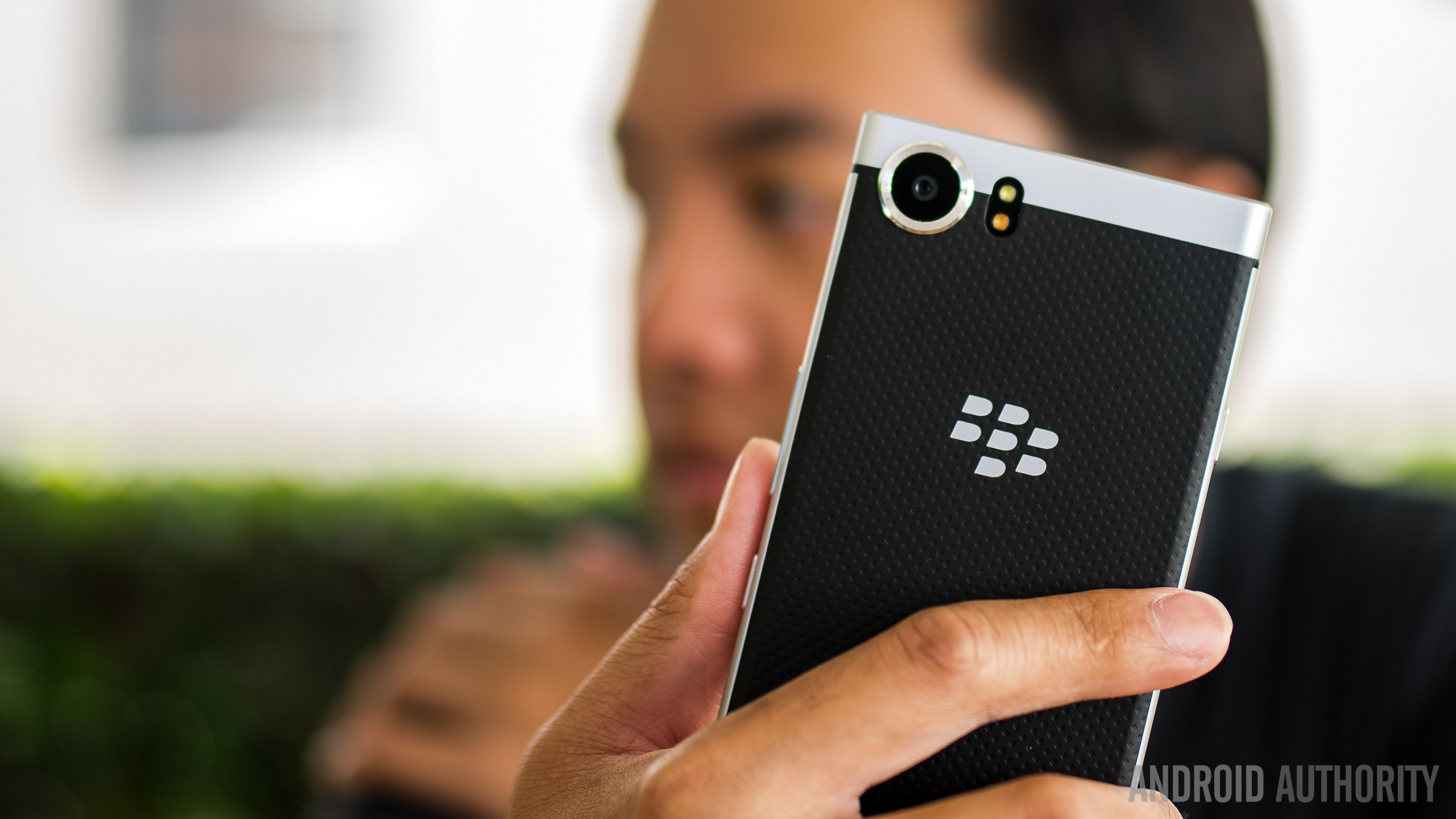
Smartphones are in a similar realm. Owning a smartphone gives us freedom and independence. We're always connected wherever we go, and better able to find our way, search for answers to our burning questions, keep in touch with friends, take photos and video, and so on.

Outside of the hardcore bases, could smartphones as a service work?

Most of this could be achieved through smartphones provided as a service. For a large slice of the consumer market, car-sharing subscription services and streaming services like Netflix or Amazon Prime video, which just works whenever needed, is much more valuable than retaining ownership. The same could be true for smartphones.

Of course, there's a big and core band of Android fans who take special pride in getting great devices they can fully customize with different ROMs, spare batteries, and what have you — Just like car enthusiasts who take special care of their vehicles.

So, outside of the hardcore bases, could smartphones as a service work?

What would you pay?

Apple, of course, has already developed a model like this, with a subscription ranging from $34.50 per month for an iPhone 8, to $49.91 per month for an iPhone X, with a new phone on offer every 12-months. In the U.S., this is only with a carrier.

In the U.S. and the U.K., you are entering into a zero percent interest loan arrangement to facilitate this. Although Apple set it up, it's just a broker for banks — Citizens Bank, N.A in the U.S. and Barclays Bank in the U.K..

Loans make sense in some regard — you're not exactly being gifted a phone that you can stop paying for after a month, and clearly, Apple doesn't need to chase you to pay. Leave debt collection to the banks.

Could a Netflix or Spotify payment model work?

But could a Netflix or Spotify payment model work, where a service offers any device on a subscription, regardless of manufacturer? This would set you free of carriers, place the onus for a working phone with a third-party, and of course, allow you to regularly upgrade your device for an always-new experience. It could even potentially include a warranty and assistance if you need a replacement phone quickly.

The TV-as-a-service model is dominated by Netflix

One device-as-a-service model could be through a kind of instalment plan, ensuring you always have the latest Samsung or Google Pixel device through constant payments.

A different model could work to simply supply phones based on subscription tier. Lower-cost tiers would offer refurbished, older models. Premium tiers could exist with a higher monthly payment and perhaps minimum subscription period to secure a new device and regular updates.
Editor's Pick

There's plenty of obvious risks and downsides here. Smartphones are intensely personal devices and moving from one phone to the next is never as easy as it could be, making it a hassle to upgrade. Then there are the more basic human problems of theft and misuse, where people subscribe for a month and don't return a phone, or damage or install malware that can't easily be removed. This kind of plan would also struggle with the instant gratification that software subscriptions do so well — ordering a phone online could hardly have the immediacy of booting up Netflix to see what's new.

It's highly likely a company handling this kind of service would track and collect a large amount of data — not just on  users, but also to check the phone's location and condition — as part of its TOS.

$18 per month to get a refurbished flagship from last year

Consider paying $35 a month for a premium smartphone to use as your own, which you can return or trade in for the latest model without significant cost. Or, $18 per month to get a refurbished flagship from last year, or a mid-ranger every 18-months. It could be a very convenient system.

Would a manufacturer try it, or will a third-party come out to disrupt the cozy carrier-maker relationship?

Read next: Who owns the notch?

What is clear is that smartphones, and how we use them, are rapidly changing. Used and refurbished smartphone sales are rising, as are prices for flagships. Meanwhile, companies like Xiaomi are making big gains through their value range. Could the high prices for flagships end up making new models of ownership more realistic too?


from Android Authority https://ift.tt/2Ij7rga
via IFTTT

AT&T and Sonim announce the XP8, a $799 ultra-rugged phone for public safety workers

We don't often see much into the world of ultra-rugged smartphones and tablets as "normal" consumers, though we catch glimpses from time to time from the likes of CAT and such. These devices take many steps beyond the Galaxy S Active series in terms of durability. Since AT&T seems to be fond of these phones, it and Sonim have announced the XP8 for use on FirstNet. This phone looks like one solid piece of technology and, despite its middling specifications, it will cost a whopping $799.

Read More

AT&T and Sonim announce the XP8, a $799 ultra-rugged phone for public safety workers was written by the awesome team at Android Police.


from Android Police – Android news, reviews, apps, games, phones, tablets https://ift.tt/2GmXEcC
via IFTTT
Pay what you want for the Absolute Python Bundle!

Python is one of the most popular programming languages out there thanks to a fast edit-test-debug cycle and wide versatility. Jumping into Python from a beginner's standpoint isn't exactly easy, as there are many routes you can take. The training required to become a Python expert is also generally quite expensive.

What if there was a bundle of courses that included teaching for beginners as well as advanced users? What if, instead of paying more than $500, you could essentially pay what you want and have access to the bundle for life?

Right now, that's exactly what Android Central Digital Offers has to offer. Right now, you can pay what you want for the Absolute Python Bundle. Instead of paying the regular price of $559, you'll pay what you want and get one course, or beat the average price (currently under $13) and get all five courses in this bundle!

Included in this bundle are hundreds of lectures and exercises designed to help you understand Python and improve your career prospects. The five available courses are:

  • The Complete Python Programming Boot Camp: Beginner to Advanced*
  • Python for Programmers
  • Learn Python with 70+ Exercises
  • Advanced Machine Learning in Python With TensorFlow
  • Selenium WebDriver With Python 3.x: Novice to Ninja

Even if you're a complete beginner to Python, this bundle should have what you need to teach you the ropes. Given how low the average price is right now, there's no better time to buy! Don't wait too long; the longer you wait the higher that average price is likely to go!

See at Android Central Digital Offers


from Android Central - Android Forums, News, Reviews, Help and Android Wallpapers https://ift.tt/2F4gGD0
via IFTTT

Wicked Audio Endo review: The boring kind of cheap headphones

Bluetooth audio products take many forms at several price points, offering us the consumers multiple options to meet our respective needs. While some can go for the top-dollar, high-end items from Bose, others may need something under $100 or even $50. Affordable audio is potentially lucrative, especially when a customer can go find them at his or her nearest Walmart. Growing up, the only name of true note I knew in this particular market was Skullcandy, an edgy company set on providing decent-ish headphones and earphones that looked nice/cool, but didn't cost a whole ton.

Read More

Wicked Audio Endo review: The boring kind of cheap headphones was written by the awesome team at Android Police.


from Android Police – Android news, reviews, apps, games, phones, tablets https://ift.tt/2E8gIFB
via IFTTT

Reflection, glare, and… moths?

A mothimage via Wikipedia.

No, you don't need to check the URL. You haven't somehow been sent to an insect collecting site. This is still the good ol' Android Authority you know and love, and I'm still here to tell you about some new developments in display technology. Stick around, we'll get to the moths in a bit.

One of the most serious problems facing display designers — and one of the most difficult to deal with, especially in mobile devices — glare and reflections on the surface of a display. We like nice, polished screens. A glossy surface makes for a sharp, clear image. That same high-gloss finish makes for a pretty good mirror under certain lighting conditions as well. Seeing yourself in your phone screen (especially in the dark areas of an image) is distracting. Seeing the reflection of bright light sources can be downright uncomfortable, and often makes the screen completely unreadable.

Display makers have been trying to combat reflections and glare ever since the CRT was first introduced, to varying degrees of success. The simplest, cheapest measure taken is unfortunately one of the least effective: you can just rough up the surface of the glass (or whatever the front surface of your display is made of), giving it a matte finish. This was pretty common in the CRT monitors of the '70s and '80s, but fell out of favor — for a glaringly (pardon the pun) obvious reason. A rougher surface makes reflections a lot less distinct (rather than looking like a mirror, light reflected by the screen surface just becomes a hazy glow), but still reflects just as much light.

A rougher surface makes reflections a lot less distinct, but still reflects just as much light.

For this little bit of questionable benefit, you get the added bonus of having your displayed images look hazy and out of focus, too! In the '90s, the highly-polished CRT came back into fashion (the so-called "glare screens"), and we all just lived with having mirror-finish displays as the cost of wanting crisp, sharp images.

Oddly enough, when LCDs started displacing CRTs in PC monitors, they had matte-finish screens just like the older CRTs, and this was actually touted as one of their advantages over CRT monitors! Again, people quickly tired of trading perceived display sharpness for a finish which really just spread the glare out into a haze instead of actually reducing it.

Today, especially in our mobile devices, polished screen surfaces are the norm. But for those who want a matte surface, "anti-glare" matte finish "screen protector" films are widely available. All they really do is diffuse the glare, not reduce the amount of light being reflected. Who'd have thought.

A matte finish screen protector on a smartphone.

A matte finish screen protector. Such surfaces don't really reduce glare — They just diffuse it. China-Direct-Buy.com.

There is (and has been for some time) a third option. There are true anti-glare surface treatments that actually reduce the amount light reflected from the glass. To understand how they work, we have to take a look at what causes glare in the first place, which is more complicated than you might at first imagine.

There are true anti-glare surface treatments that actually reduce the percentage of light reflected from the glass.

Glass is, of course, a transparent substance. Light passes right through it, apparently like it isn't there at all, as anyone who's walked into a closed glass door can attest. Where light is completely reflected by an opaque material, it passes through a transparent one — except when it doesn't. If you're shining a light on a highly polished glass surface, about 96 percent of the light will go straight through, and four percent will be reflected.

As an aside, this is actually a bit of a mystery, if we accept quantum mechanics and believe light and other electromagnetic waves are really streams of particles we call photons. All photons have to be identical. But if this is so, how do 96 photons out of every 100 "know" they're supposed to go through the surface, while the other 4 "know" they're supposed to be reflected? This question still has not been satisfactorily answered.

Leaving that problem for the theoretical physicists, something very interesting happens when you add a second reflecting surface below the first. Given what we just said about 4 percent of the light reflecting back and 96 percent getting through when it strikes such a surface, we might expect that to happen again with a second surface, resulting in a little under 8 percent reflected back at the viewer (the original 4 percent, plus another 4 percent of the 96 percent that went through the first surface). When we actually try a setup like this, something odd happens; the total light reflected back to an observer can range from zero to 16 percent!  It turns out this total reflection percentage depends on how thick that layer between the first and second surfaces is.

Don't miss: Are micro-LEDs the new OLEDs?

A very, very thin surface results in a total reflection of zero, and as you increase the thickness the reflection climbs to a peak of 16 percent and then goes back down to zero! This cycle repeats, over and over again, as the thickness varies. If you look a little further into this, it turns out the cycle is related to the wavelength of the light in question, and at least this part of the phenomenon is explained fairly easily if we stick to the wave model of light. Without explaining just why a certain percentage of the light is reflected in the first place, we can at least say a reflection that occurs a quarter-wavelength "below" the first one should cause an overall reduction in the total amount of reflected light. This is because the total path length from the first surface to the second and back again is one-half wavelength — so the second-surface reflection comes back 180 degrees out of phase with the first and cancels it out.

A diagram showing how Quarter-wave AR coatings cancel out reflections.

Entekno Materials Quarter-wave AR coatings cancel reflections via destructive interference

This leads us to one of the most effective anti-glare treatments for display screens to date, the quarter-wave anti-reflective (or "AR") coating.  A thin layer of material, chosen for its refractive index and durability, is applied (usually via vacuum deposition) to a glass surface. The process is controlled so the thickness of this layer winds up being about a quarter of the wavelength of light in this medium,  producing the effect just described.

Glass treated in this manner can have a total reflection of one percent or less, a significant improvement from the untreated case.

Of course, there are disadvantages to this as well. Besides the added cost of the treatment, the coating can really only be a quarter-wavelength thick at one specific wavelength, which causes some color effects. The thickness is generally adjusted to be a quarter wave around the center of the visible range, which corresponds to the greens on the visible spectrum. This means the anti-reflective effect is strongest there, and less so in the reds and blues. It also gives a purplish hue to the reflections that remain. Screens treated in this manner also tend to show fingerprints more, as the oil in them interferes with the AR effect.

A new approach to controlling reflections has started to come to market based on moth's eyes.

More recently, a new approach to controlling reflections has started to come to the market. This is where we get back to the insect that started this article. It's been known for quite some time that moth's eyes reflect very little light; it's something they've evolved to avoid predators during their mostly-nighttime lives. Investigating how this is achieved shows that the moth's eyes are covered with millions of microscopic protrusions. Light striking this surface is not reflected back, but rather directed mostly "downward," further into the protrusions where it is then absorbed.

A magnified view of an artificial moth's eye structure created in silicon.

Artificial moth's eye structures created in silicon. Via Brookhaven National Lab.

Today, scientists have discovered ways of producing similar structures on the surface of glass. We covered one back in one back in November 2017. If suitable production methods can be developed, and such a surface can be made durable enough for the rigors of everyday use, this type of anti-glare treatment could result in screens that reflect virtually no light, producing sharp, clear images with very high contrast. It's even possible such a surface could be made in a form suitable for flexible screens. The "moth's-eye film" approach to glare reduction is still a long way from commercial implementation, though.

When it's ready, we'll have virtually reflection-free screens with unmatched contrast and sharpness — and a moth to thank for it all.


from Android Authority https://ift.tt/2GIzusl
via IFTTT

39 new and notable Android TV apps and games from the last 8 months (7/12/18 - 3/31/18)

multi-page article
Page 1 Page 2

android_tv_expansion Welcome to the roundup of the best new Android TV apps and games that went live in the Play Store or were spotted by us in the last few months or so. Due to how large this list is, it has been broken up into two pages. The first page lists only ATV apps, and the second page is made up entirely of ATV games.

Read More

39 new and notable Android TV apps and games from the last 8 months (7/12/18 - 3/31/18) was written by the awesome team at Android Police.


from Android Police – Android news, reviews, apps, games, phones, tablets https://ift.tt/2J4c8Mh
via IFTTT

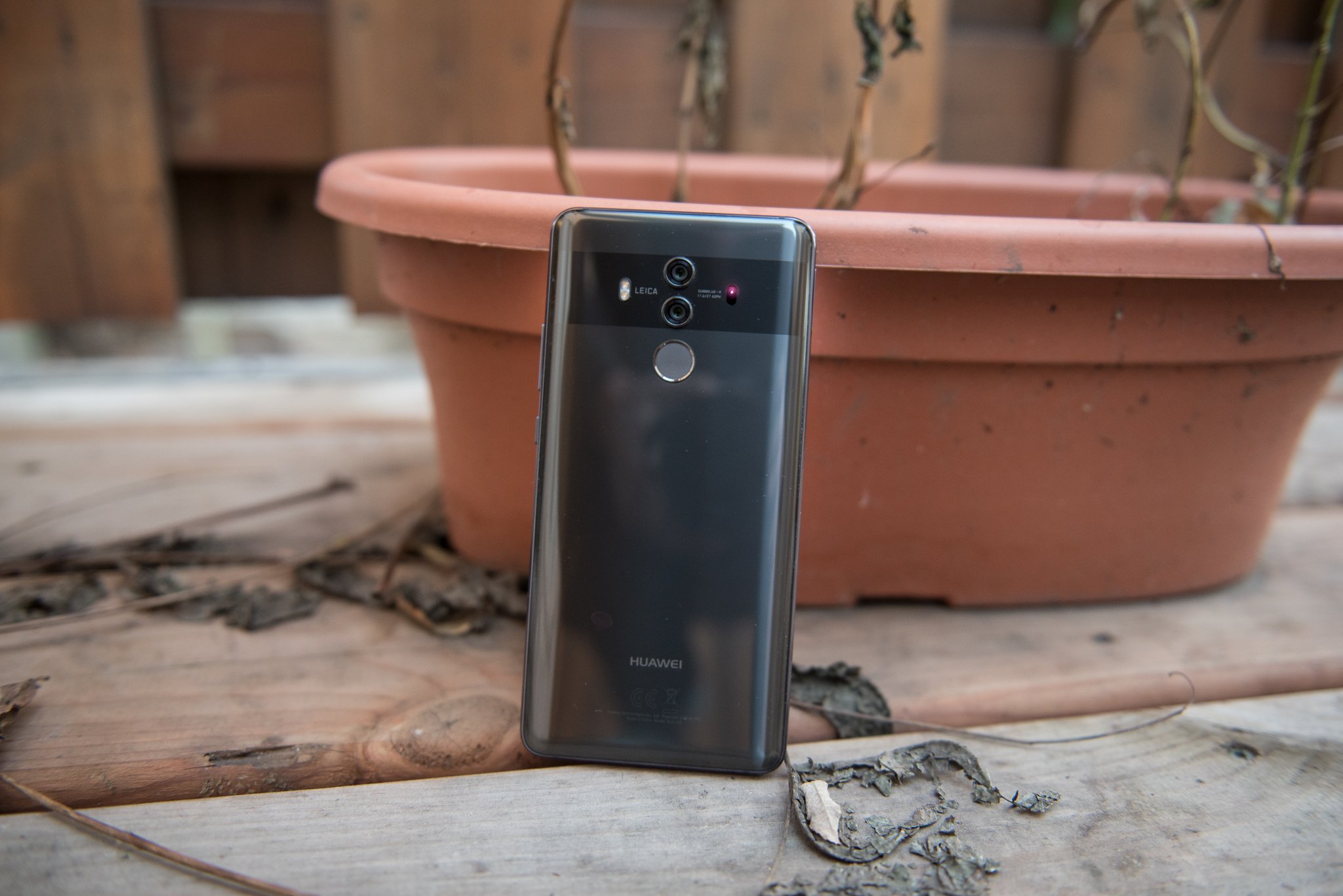
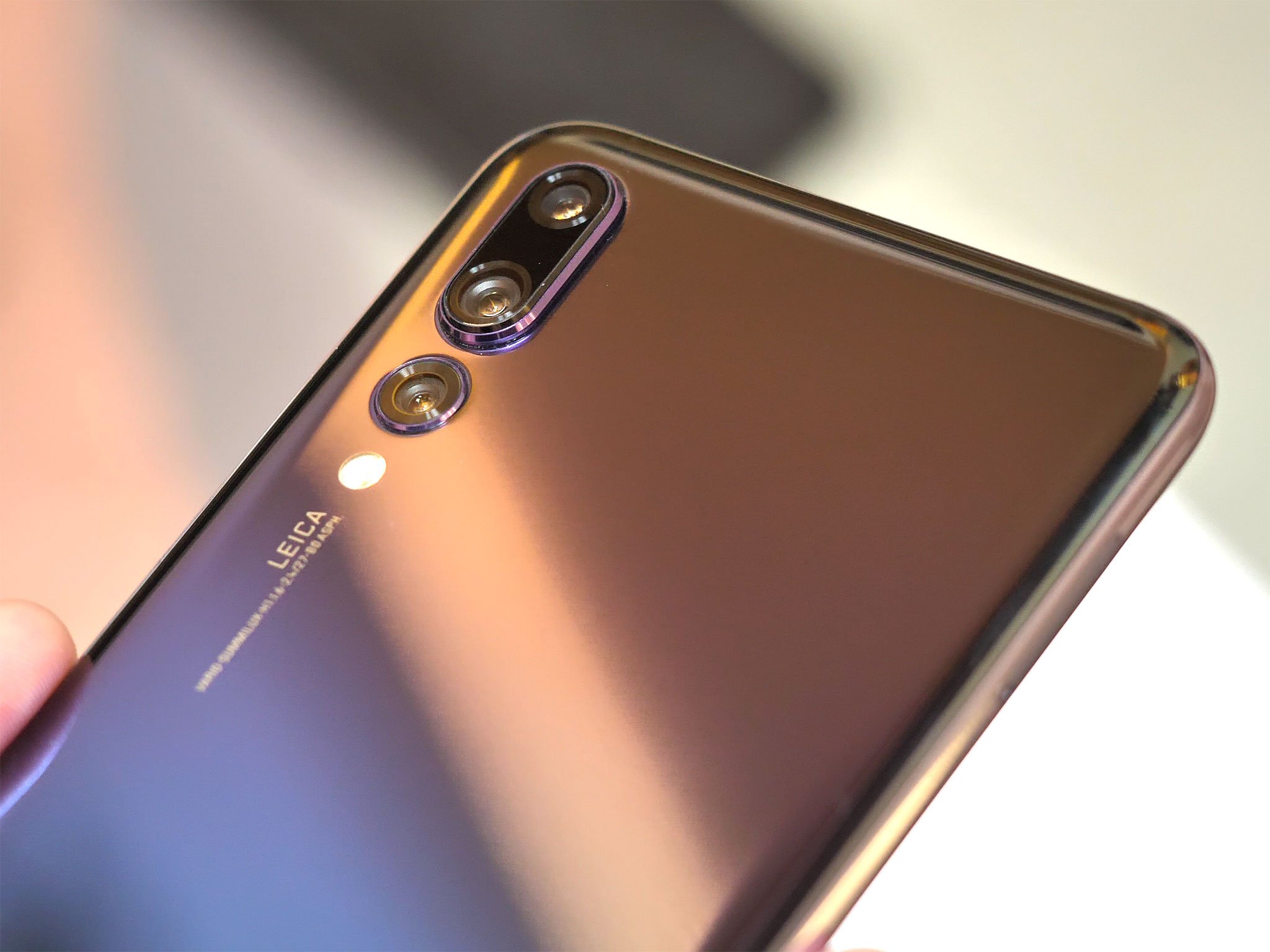
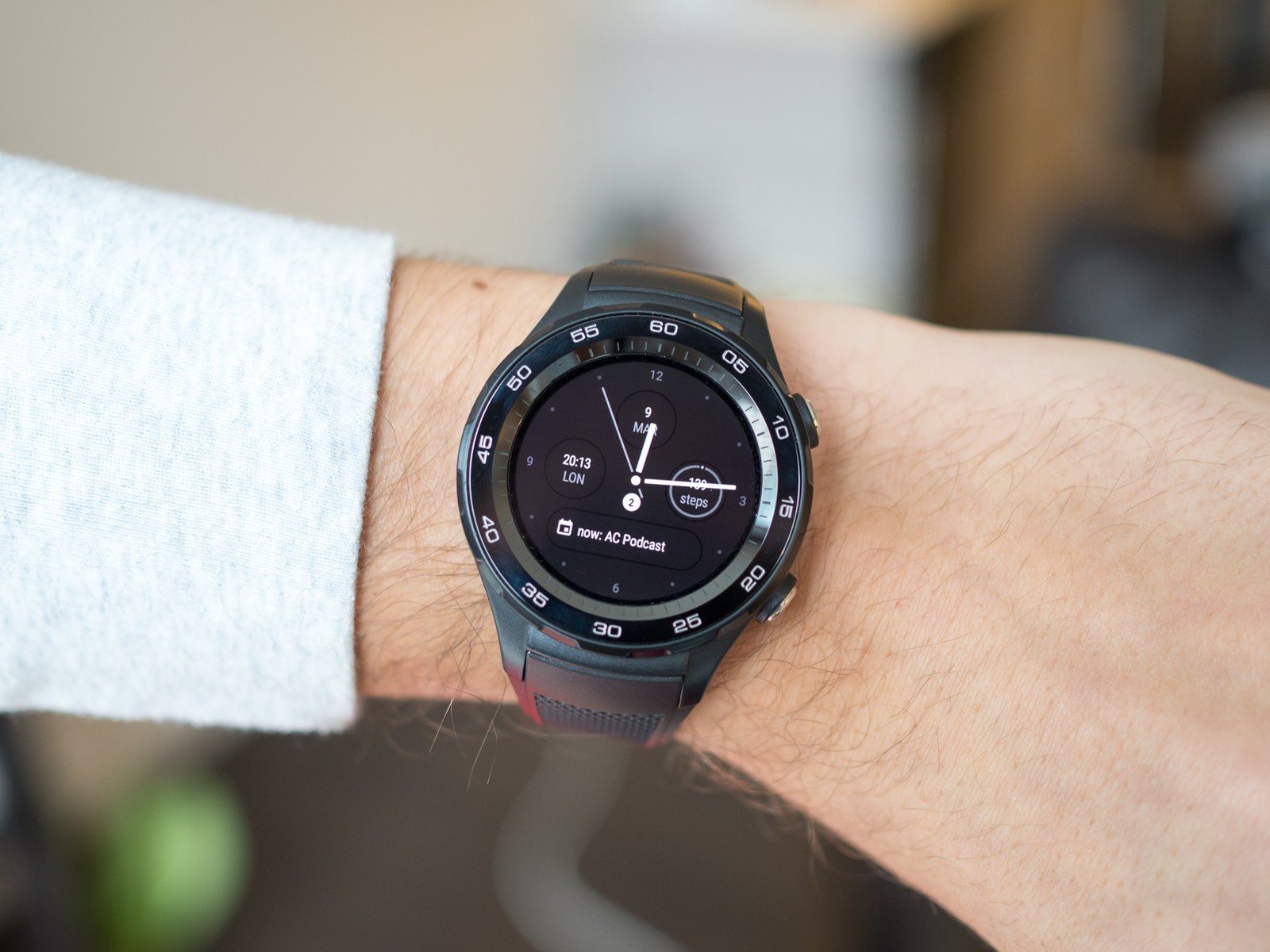
Why does the U.S. government mistrust Huawei and not ZTE or Lenovo?

Some companies make phones but some companies make the parts used to make them, too.

Huawei's big plans to make a breakthrough into the U.S. smartphone market have been crushed. There's no gentle way to say that, so I'll just say it.

As CES 2018 was drawing to a close, AT&T and Verizon, which were both all but confirmed to be "official" carriers of the Mate 10 Pro, both announced that they wouldn't be selling any Huawei phones after pressure from the U.S. government because Huawei phones being used in the states would pose a security risk.

The government really doesn't want us using Huawei products.

This pressure became official soon after as a bill was sent to Congress that would ban any government business from being done on a network that used Huawei (or ZTE) networking equipment. In the same week, we learned that government officials were urging AT&T to stop doing business with Huawei altogether and to stop working on a 5G network with the Chinese company. Once again, national security concerns were stated as the reason behind the request.

We're not done. In February 2018, right as the Mate 10 Pro was set to go up for sale in North America, heads of U.S. intelligence agencies came forward and urged Americans to not buy Huawei phones. FBI Director Christopher Wray explains the reasoning:

We're deeply concerned about the risks of allowing any company or entity that is beholden to foreign governments that don't share our values to gain positions of power inside our telecommunications networks.

Most recently we found out the Best Buy, One of Huawei's biggest U.S. retail outlets for unlocked phones, was going to stop selling all Huawei products. This includes phones, laptops, tablets, smartwatches, and routers.

But why just Huawei? If there are concerns with electronics made in China when it comes to security and privacy, why not OnePlus or Lenovo or simply all Chinese companies?

I took the time to individualize and link each time Huawei faced a roadblock when it comes to U.S. sales so it could be more obvious that the government really doesn't want us to buy Huawei products. Another thing about the paragraphs above is that they also cover the times intelligence or other government officials warned against other Chinese electronic products, with a lone mention of ZTE commerical networking equipment. It appears that Huawei is being singled out, so there has to be a reason.

Checking that processors and chipsets aren't ready to spy on us is difficult.

There happens to be several reasons, and they aren't about the end produts themselves as much as the technology inside them, much of which is done in-house at Huawei. Simply put, there are fears that Huawei is controlled by the government of China and U.S. officials don't trust the chipsets and low-level firmware that Huawei makes themselves. This is why they don't want Americans buying or using them.

Making your own processors then arranging them in a mobile chipset is a rarity. Apple does this, as does Samsung (which also makes components to sell to other manufacturers). But any other instances are few and far between back to the time when Motorola flip phones ruled the market. It also takes more than just silicon and copper as there is a lot of machine-level software and firmware involved so processors can talk to things like modems or graphics adapters. You'll find a Huawei-made chip inside all the company's high-end phones as well as the network routers and switches and transfer equipment Huawei builds for companies like AT&T to run their cellular network. In plain language, Huawei makes the parts inside the phones and other gear an it's almost impossible to independently review that they are doing what Huawei claims. The U.S. government is afraid that these components can be instructed to eavesdrop on our digital communications and send it all back to the Chinese government.

I'm not going to attempt to assess these claims; that's for three-letter government agencies to do and they say we shouldn't be using Huawei gear. It is their job to look for, then look at, potential ways the country could be put at risk. My personal opinion is that this is a wise choice for networking equipment (especially when used for government communications) but looks a bit hollow when it comes to the company's phones because of how updates are routed through the internet to our Android products. You should evaluate these claims yourself and not allow me or anyone else to make the decision for you, though.

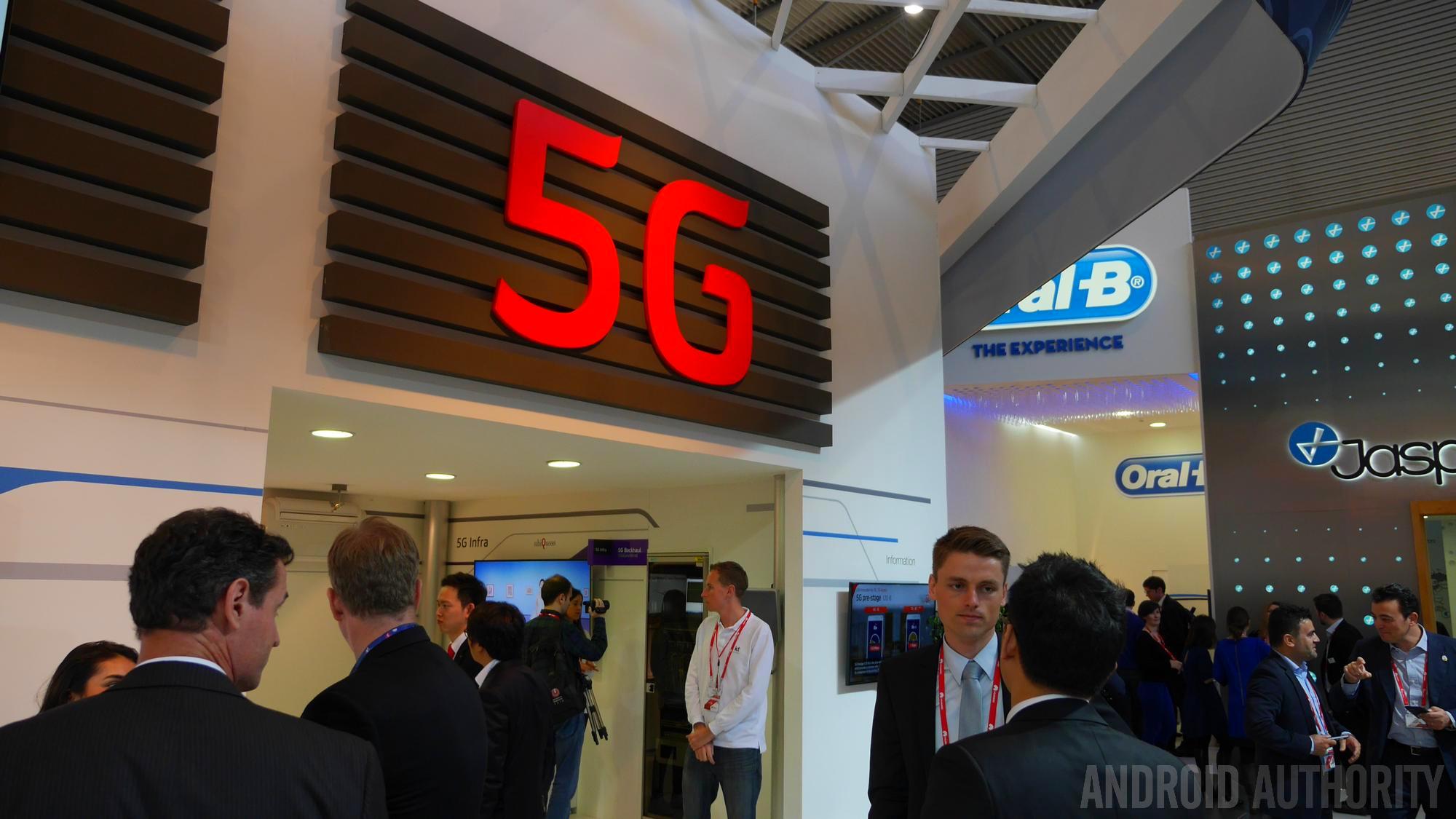
Huawei is working the 3GPP to build the next generation 5G network standards and the equipment that's going to use them.

Another reason is a bit less technology related and leans towards the economic side. Huawei is the largest provider of commercial networking equipment (products that carriers and internet providers use) in the world and they are actively involved with the creation of 5G standards and network design. Other Chinese companies that make networking products don't make their own components and rely largely on companies like Marvell or Broadcom (yes, that Broadcom) when it comes to the individual parts inside. Huawei is also making big strides in Artificial Intelligence, both at the consumer facing and backend tech that makes it work. This means technology issues aren't the only concern and the U.S. does not want a company they assume is conencted to the Chinese governemnt to be the front runner in the next generation of communications.

These claims may be valid, they may not be. What's important is that you know why they are being made.

Again, I can't remark on the validity of these claims other than saying the people who are in the position to make them think we shouldn't use Huawei products. With a phone or watch or router from another company, the "brains" aren't made by potential Chinese government agents, which is what the U.S. intelligence service is implying. If this is true and we could be plauged with sophisticated spyware they are only doing their job; every risk, no matter how small, needs to be assessed. The fact that other countries don't have these concerns could mean China is targeting the U.S. only, or that the tech involved is so advanced other countries aren't seeing the same thing, or that the CIA, FBI, and NSA are just wrong. Any or al of these outcomes are possible.

Huawei insists that these claims are false and that their products have the highest standards when it comes to security and privacy. That's to be expected, and could very well be the truth. We're not here to refute or affirm any of these claims, but I feel it is important that everyone knows why Huawei is being singled out in the sea of Chinese electronics manufacturers. When it comes to functionality, features, and value we can assess Huawei products and we all appreciate how good they are.


from Android Central - Android Forums, News, Reviews, Help and Android Wallpapers https://ift.tt/2J8boWp
via IFTTT